Ghipsy Hood: A Playful Font for Handmade Products
Last weekend I sat at my desk with a fresh candle label template open in my design software. The wax was poured, the wicks were trimmed, and all that remained was the wordmark. I wanted something that felt warm, handmade, and just a little bit nostalgic. I tested a few standard fonts, but they all felt too stiff. Then I opened Ghipsy Hood, and everything clicked. The letters had a rugged retro charm that matched the earthy scent of the candle. That moment is exactly why I love working with a display font that brings personality from the very first preview.
What Makes Ghipsy Hood Stand Out
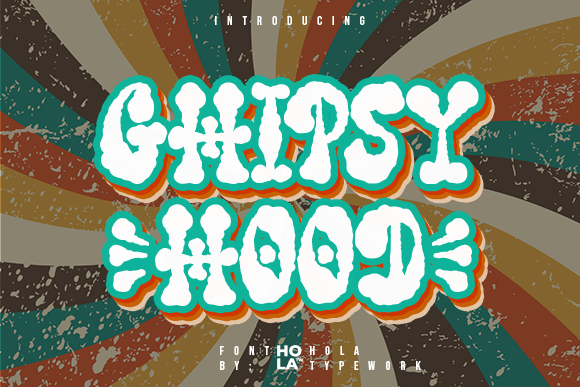
Ghipsy Hood is a display typeface that captures a free-spirited, groovy energy. It does not try to be sleek or minimal. Instead, it leans into a handmade, imperfect feel that reads as authentic and approachable. The letterforms have a playful bounce, with uneven strokes and subtle curves that remind me of vintage signage and hand-painted storefronts. This is not a font for long dense paragraphs. It is a font for making a statement, for drawing the eye, and for telling a story in just a few words.
The visual personality of Ghipsy Hood is warm, earthy, and slightly whimsical. It feels like something you would find on a roadside market sign or a handwritten label on a jar of homemade jam. That rawness is exactly what makes it so appealing for handmade products. It adds a layer of genuine character that polished fonts sometimes lack.
Using Ghipsy Hood on Candle Labels and Product Tags
When I design candle labels, I want the font to reflect the scent and mood of the product. For a lavender and cedar candle, I paired Ghipsy Hood with a simple sans serif for the scent notes. The groovy display font carried the product name, while the cleaner font handled the smaller details. The contrast felt natural and balanced. The label looked like it belonged on a handmade shelf, not a mass-produced one.
Product tags are another area where Ghipsy Hood shines. I use it for boutique clothing tags, bath salts, and small-batch food items. The font gives the tag a sense of story. Customers often pick up a product because the tag catches their eye. A font that feels personal and crafted can make that first impression last. For tags, I keep the text short a single word or a short phrase and let the letterforms do the work.
Greeting Cards, Invitations, and Wedding Stationery
Greeting cards are a natural home for Ghipsy Hood. The font reads as joyful and celebratory, which makes it ideal for birthday cards, thank you notes, and congratulations. I used it for a set of birthday cards with the words Let's Celebrate in a warm earthy tone. The uneven stroke weight added a handmade feel that matched the watercolor illustrations on the card.
For wedding invitations, Ghipsy Hood works well for the couple names or a short heading like Join Us or Our Story. It adds a casual, intimate tone that suits outdoor or rustic weddings. I paired it with a clean serif font for the body text, and the combination felt cohesive without being too formal. The invitation set looked like it was letterpressed by hand, even though it was printed on a home printer.
Wall Art, Signs, and Farmhouse Decor
Printable wall art is a staple in many handmade shops, and Ghipsy Hood is perfect for this category. I created a set of farmhouse style prints with phrases like Gather and Slow Down. The font gave the designs a weathered, vintage look that suits neutral palettes and natural textures. When I printed them on textured paper, the letters seemed to settle into the surface beautifully.
For wooden signs and painted decor, Ghipsy Hood translates well because its irregular shapes feel organic. Whether you are stenciling a sign or using a vinyl cutting machine, the font holds its personality at larger sizes. I tested it on a welcome sign for a front porch, and the lettering looked like it had been hand painted years ago. That is the kind of depth that makes a product feel collected, not manufactured.
Stickers, Planner Pages, and Digital Downloads
Sticker sheets are one of my favorite products to make, and Ghipsy Hood works beautifully for word stickers. I designed a sheet of motivational phrases using the font, and the playful letters made each word feel like a tiny piece of art. When I cut the stickers with my Silhouette machine, the font held up well at small sizes because the letterforms are distinct and open. I recommend using the font at a minimum size of around 18 points for sticker text to keep the details readable after cutting.
Planner pages and digital templates also benefit from Ghipsy Hood. I use it for section headers and decorative quotes in printable planners. The font adds a touch of whimsy to an otherwise functional page. For digital downloads, I always include a preview image that shows the font in use, and Ghipsy Hood creates a strong visual hook that makes customers stop scrolling.
How Ghipsy Hood Affects Product Presentation and Brand Identity
The font you choose for your products directly influences how customers perceive your brand. Ghipsy Hood communicates authenticity, creativity, and a relaxed confidence. When I use it consistently across my product labels, packaging, and shop banners, customers begin to associate that groovy retro feel with my brand. It becomes a visual signature that helps with recognition and recall.
Emotionally, the font invites a sense of nostalgia and warmth. It feels like something you would find at a local artisan market, not a big box store. That emotional appeal is powerful for handmade sellers because it reinforces the value of small batch production and personal attention. Customers often comment on the look and feel of my packaging before they even open the product. That is the power of intentional typography.
Readability and Practical Tips for Cutting Machines
Ghipsy Hood is a display font, so it works best for short phrases, names, titles, and decorative wording. I would not recommend it for long paragraphs or body text because the uneven weight can become tiring to read at small sizes. However, for product labels, tags, and signage, the readability is excellent when you keep the text concise and the size generous.
For cutting machines like Cricut and Silhouette, I have found that Ghipsy Hood cuts cleanly when the font size is at least 1 inch tall for vinyl or heat transfer. For intricate details like swashes or ligatures, I check the preview carefully before cutting. If a letterform is too thin, I increase the size slightly or adjust the cut settings. The font works well for iron on designs on t-shirts and tote bags, especially when paired with a bold color that contrasts with the fabric.
Font Pairing Suggestions
Ghipsy Hood pairs well with a clean sans serif font like Montserrat or Lato for a modern contrast. I also like it with a simple serif font like Playfair Display for a touch of elegance. For a more casual look, a handwritten font can create a layered, scrapbook style. When I design packaging, I use Ghipsy Hood for the main product name and a neutral sans serif for ingredients, weight, or description. This keeps the design balanced and easy to scan.
If you are using Ghipsy Hood for a logo or shop name, consider pairing it with a bold display font that has a similar weight but a different shape. This creates visual interest without competing for attention. The key is to let Ghipsy Hood be the star of the show and choose supporting fonts that stay out of its way.
Licensing, File Formats, and What to Check Before You Create
Before you start designing products for sale, check the commercial license that comes with Ghipsy Hood. Some font licenses allow unlimited commercial use, while others require an extended license for physical products or digital templates. I always read the license terms carefully to avoid any issues down the line. If you are creating printables, SVG designs, or digital downloads, confirm that the license covers those formats. Some licenses restrict usage in editable digital files, while others are more flexible.
Ghipsy Hood typically includes standard file formats like OTF and TTF, which work across both Mac and Windows. Check if the font package includes alternates, ligatures, or swashes, because these extras can add a lot of personality to your designs. Multilingual support is another consideration if you sell products in different languages. I always test the font on a few sample words before committing to a full design run.
Taking a few minutes to verify the license and file compatibility saves time and stress later. It also ensures that your handmade business stays professional and compliant. A premium font like Ghipsy Hood is an investment in your brand identity, and using it correctly protects that investment.
Seasonal Products and Limited Edition Designs
Ghipsy Hood is versatile enough to work across seasons. I used it for a fall collection with phrases like Harvest and Give Thanks, and the retro vibe matched the warm orange and brown color palette. For winter, I used it on gift tags and holiday cards with simple words like Joy and Peace. The font did not feel out of place in any season because its personality is rooted in warmth and authenticity, not a specific holiday theme.
Limited edition products benefit from a font that feels special. Ghipsy Hood adds that sense of occasion without being overly decorative. I used it for a small batch of tote bags with a single word screen printed on the front. The bags sold quickly, and I believe the font played a role in their appeal. It made the product feel like a limited run, even though the design was simple.
If you are a handmade seller looking for a font that brings character, warmth, and a touch of retro charm to your products, Ghipsy Hood is worth exploring. It works across labels, cards, packaging, signs, and digital downloads. It pairs well with cleaner fonts, holds up on cutting machines, and creates a brand identity that feels personal and authentic. The next time you sit down to design a label or a tag, try Ghipsy Hood and see how it transforms your product presentation.